
TEETH WHITENING
WHAT IS IT?
Tooth Whitening is a dental procedure that uses bleaching agents to whiten teeth beyond their natural color. It is a safe and effective way to improve the appearance of teeth that are stained or discolored due to factors such as aging, smoking, consumption of certain foods and beverages, or poor oral hygiene.
It helps prevent tooth decay, gingivitis, and periodontal disease.
HOW IT IS DONE?
The most common bleaching agents used in tooth bleaching are hydrogen peroxide and carbamide peroxide. These agents work by breaking down stains into smaller molecules, which makes the teeth appear whiter. The concentration of bleaching agents in the whitening gel varies depending on the type of treatment and the desired level of whitening.It helps prevent tooth decay, gingivitis, and periodontal disease.


STEPS:
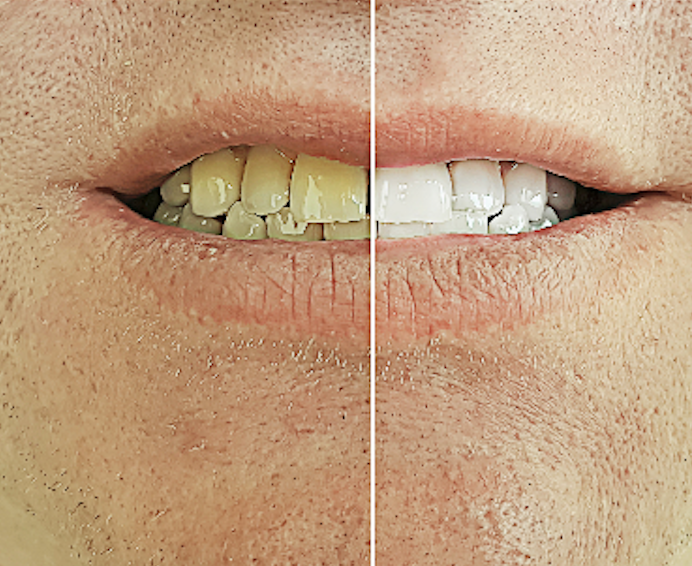
NORMAL CLEANING OF THE TEETH
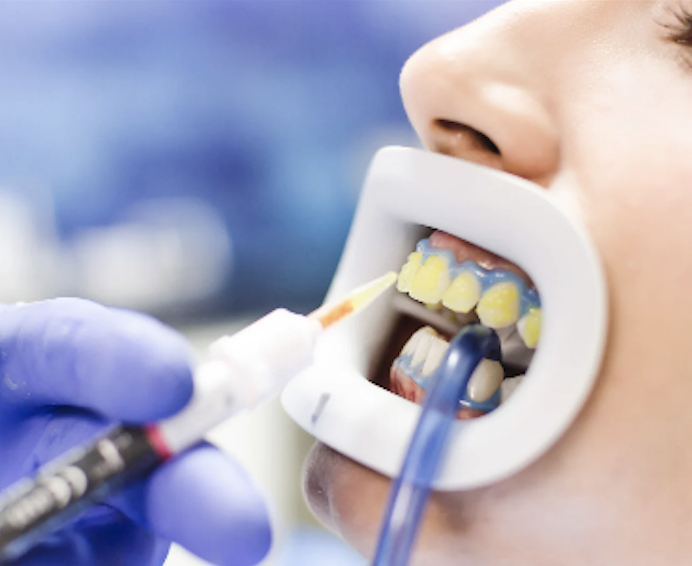
A GEL IS APPLIED
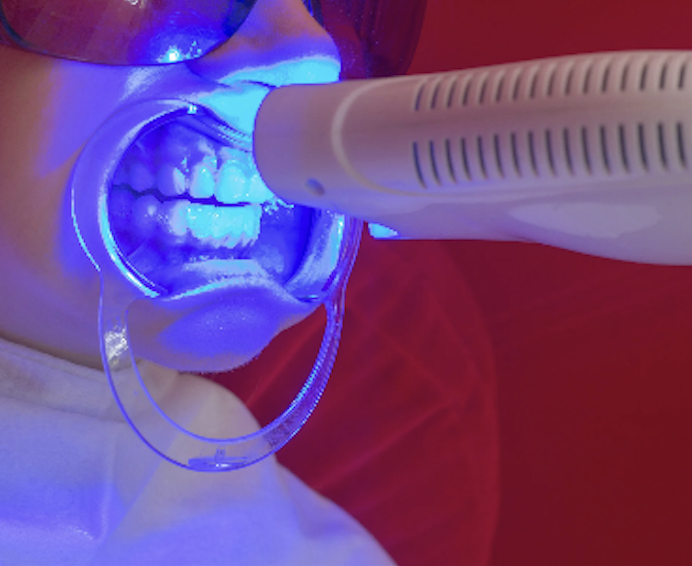
THE GEL IS ACTIVATED BY THE LASER
FAQ
Is tooth Whitening safe?
Yes, tooth Whitening is considered safe when performed by a dentist or when using over-the-counter products according to the manufacturer’s instructions. However, it’s important to consult with a dentist before undergoing bleaching treatment to ensure it is appropriate for your oral health and to receive guidance on proper use.
Does tooth Whitening cause sensitivity?
Some individuals may experience temporary tooth sensitivity during or after bleaching treatment. This sensitivity usually resolves on its own within a few days to a week.Using a desensitizing toothpaste or gel recommended by your dentist can help alleviate discomfort. It’s important to follow the recommended treatment protocol and avoid overusing bleaching products to minimize the risk of sensitivity.
How long does tooth Whitening take to see results?
The duration of tooth Whitening treatment varies depending on the type of bleaching method used and the severity of staining or discoloration. In-office bleaching procedures can produce noticeable results in a single visit, while at-home bleaching kits may require daily use over a period of one to two weeks to achieve desired results
Can tooth Whitening remove all types of stains?
Tooth Whitening is most effective at removing surface stains caused by factors such as aging, smoking, and consumption of certain foods and beverages. However, it may not be as effective at removing stains that are deep within the tooth structure, such as those caused by trauma or certain medications. In such cases, alternative cosmetic dental treatments may be recommended.
Can anyone undergo tooth Whitening??
While tooth Whitening is generally safe for most individuals, not everyone is a suitable candidate for bleaching treatment. Individuals with certain dental conditions, such as gum disease, tooth decay, or tooth sensitivity, may not be suitable candidates for Whitening. It’s important to consult with a dentist to determine if tooth Whitening is appropriate for you and to receive personalized recommendations based on your oral health needs.
Does tooth bleaching harm tooth enamel?
When performed under the supervision of a dentist or used according to the manufacturer’s instructions, tooth bleaching should not harm tooth enamel. However, overuse or misuse of bleaching products can potentially damage tooth enamel and lead to sensitivity or other oral health issues. It’s important to follow the recommended treatment protocol and avoid overusing bleaching products to ensure the safety of your teeth.

- F-36 basement, Max hospital, Press Enclave Marg, opposite gate number 5, Gandhi Park, Hauz Rani, Saket, New Delhi, Delhi 110017
contact@shiningdentistry.com
+91 9999353118
Website by Socialkey Guru