
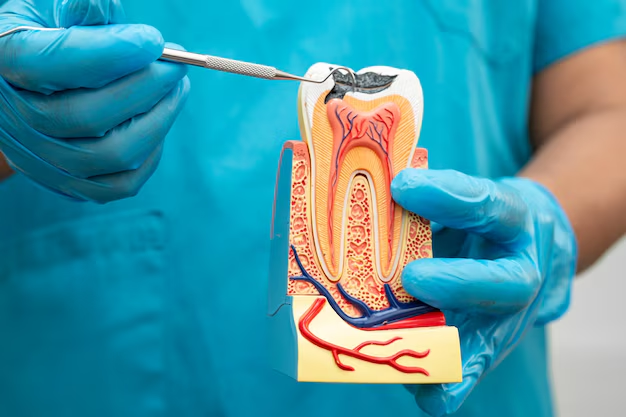
For treating an infected or damaged tooth. During the procedure, the dentist or endodontist (a specialist in treating the inside of the tooth) removes the infected tissue.
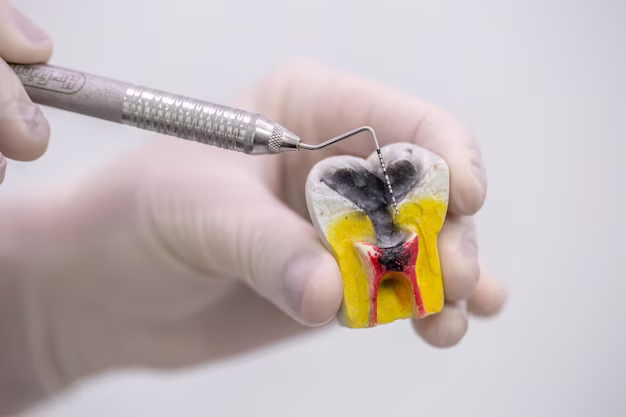
After the removal, the inside of the tooth is cleaned, disinfected, and then filled and sealed to prevent further infection.
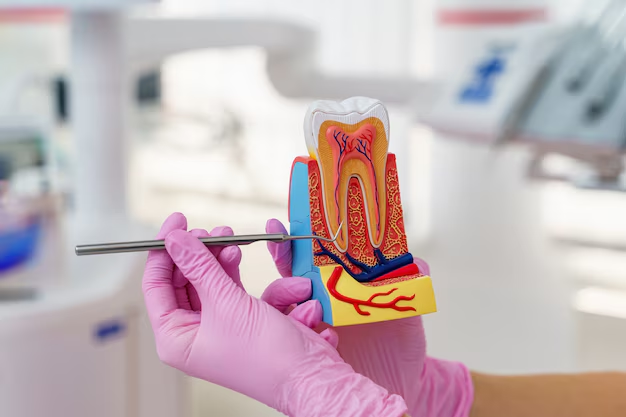
This procedure helps to save the natural tooth and alleviate pain or discomfort caused by the infection.
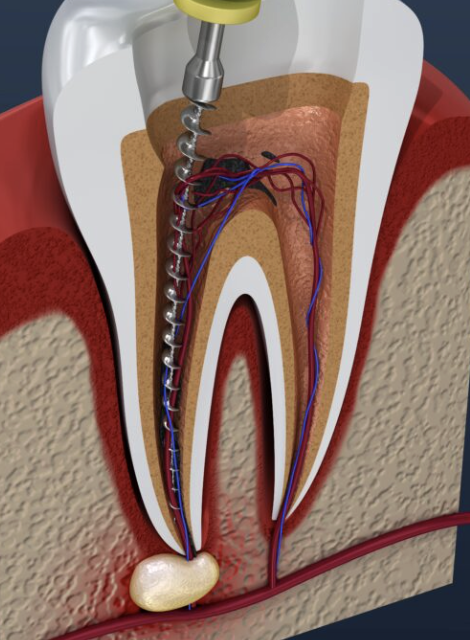
Following an Anasthesia, The decayed part of your tooth is removed using a drill.
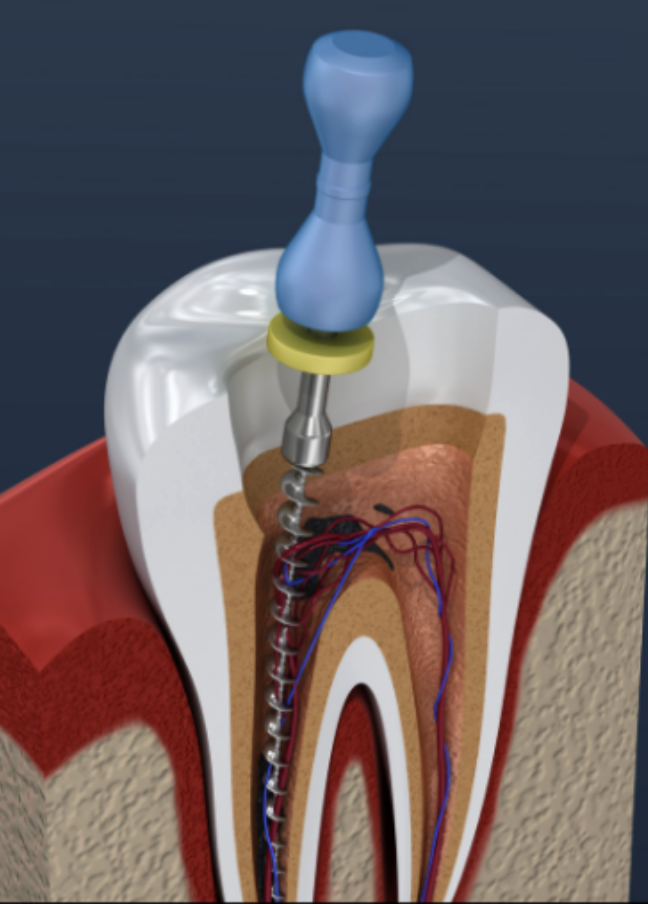
The lenght of your tooth is calculated so that your tooth is cleaned to that particular lenght.
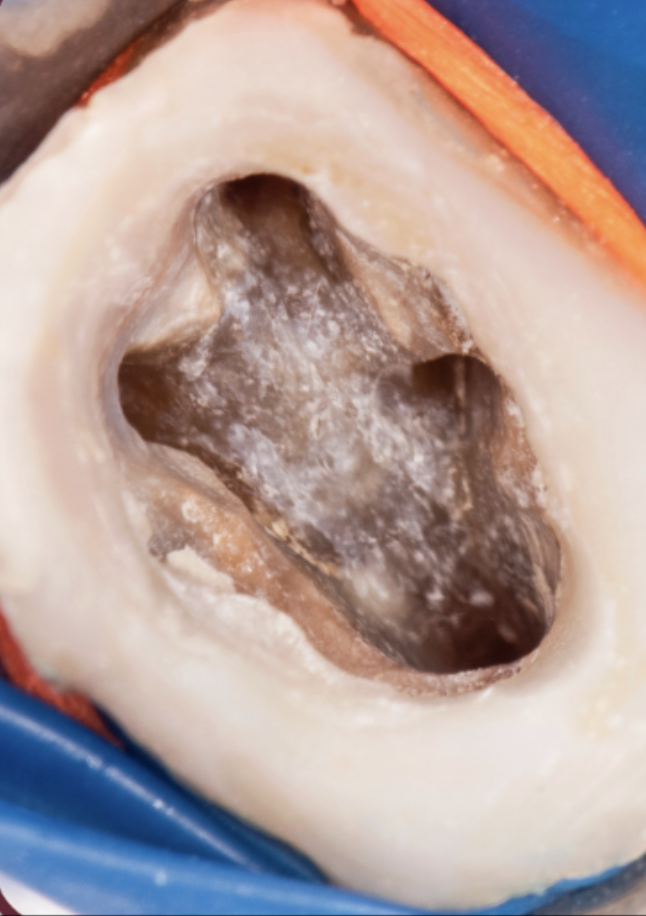
Canals present in the root are located
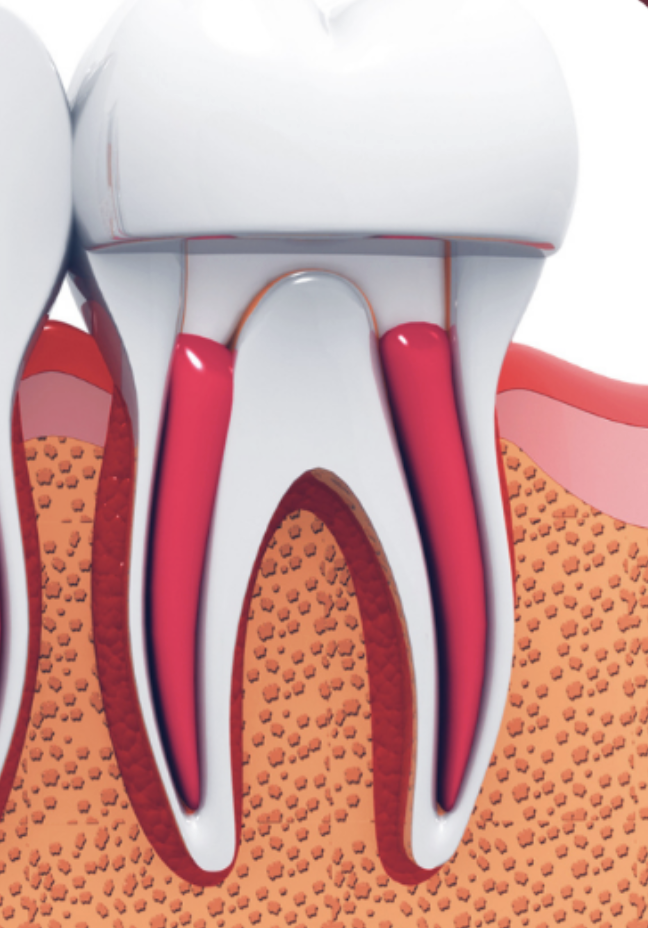
The cleaned part is then sealed with an inert material and your tooth is restored to its normal health as before



The procedure is performed under local anesthesia, so you shouldn’t feel any pain during the treatment. However, some discomfort and sensitivity are possible during the recovery period.
The length of the procedure varies depending on the tooth’s complexity and the severity of the infection. Generally, it can take one to two visits to complete a root canal.
In many cases, a crown is recommended to protect the tooth and restore its function after a root canal, especially for molars and premolars, which endure substantial biting forces.
You may experience some sensitivity or discomfort for a few days following the procedure. Over-the-counter pain medications can help alleviate any discomfort.
The only alternative to a root canal is extracting the infected tooth. However, this can lead to other dental issues and should be considered as a last resort.
While uncommon, it’s possible for a tooth to become re-infected if there is a breakdown in the restoration or if new decay forms. Regular dental check-ups and good oral hygiene can help prevent reinfection.
Website by Socialkey Guru
Dr. Shashank Arora
B,D,S M.D.S ENDODONTIST & IMPLANTOLOGIST
Hey, how can I help you today?